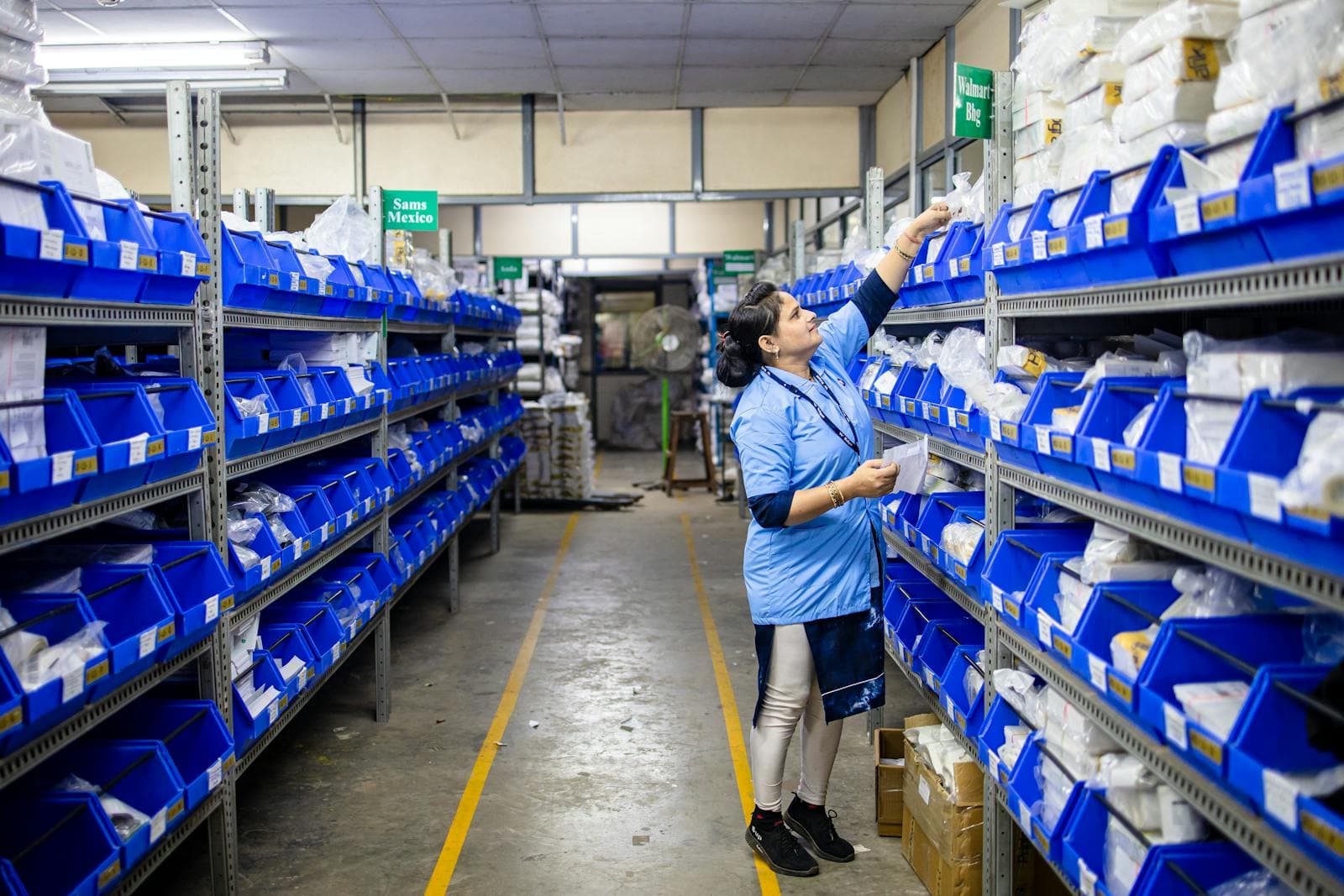
Most mid-market merchants are understaffed for their catalog. Usually a head of ecommerce wears five hats. So when conversion or search performance dips, or a category needs repositioning, they do the catalog enrichment work themselves or hire someone new.
This is the quiet operational tax on every growing brand. The catalog needs constant work. Products get added every week. Seasonal lines rotate. Suppliers change their copy. Channels keep multiplying. The work to keep all of it described well, attributed correctly, and aligned to how your customers shop never stops.
What understaffing actually looks like
Talk to any operator running a mid-market store and the pattern is the same. The hero products get rich descriptions because someone made time for them. Maybe a few hundred SKUs. The rest of the catalog sits with templated copy pulled from a supplier sheet or an old import. Nobody's looked at it in a year. Nobody has time to.
When your site underperforms, you fix what you can see. You boost a few products in search, tweak a category page, write a new collection description. The 9,000 SKUs in the long tail stay invisible to your own site search, your filters, and the AI agents that are starting to shop on your customers' behalf. You know this, and you can't get to it.
The traditional answer is to hire someone. A merchandiser to own the catalog. A copywriter to fix the descriptions. A specialist for each new channel you sign up for. That math doesn't work for most operators in this segment. The headcount isn't there. The budget isn't there. And even if you hire, the work scales with the catalog, and the catalog keeps growing.
A different model for catalog enrichment
XTAL automates product catalog enrichment instead of doing it by hand. You write a brand prompt describing how your products should be positioned, who your customers are, and what use cases matter to them. XTAL generates rich attributes for every SKU from that prompt. You review and refine in a human-in-the-loop workflow, then export the enriched catalog to your channels.
The work doesn't go away. You still make merchandising decisions. You still keep the catalog true to your brand. But the labor curve flattens. One person with the right prompt can do work that used to require a team. Adding a thousand new SKUs doesn't mean adding a person.
The other shift is speed. Repositioning a category used to mean a project: brief, copywriting, review, QA, deployment. Now it means editing a prompt and re-running the augmentation on that slice of the catalog. Hours instead of weeks. You can actually respond to what the data is telling you.
Get more like this
AI-powered ecommerce search insights, delivered monthly.
What AI catalog enrichment actually changes
The merchants who win the next decade treat their catalog as a living asset, not a one-time import. Rich descriptions. Use-case attribution. AI-generated product attributes that match the brand and the channel. Updated when the product changes, the market changes, or the channel changes.
That's been possible for years if you had the headcount. Now it's possible without it.
Smaller merchants can finally compete with bigger players who built dedicated merchandising teams over the last decade. You don't out-staff them. You out-leverage them. XTAL is the tool that makes that math work. The same enriched catalog also determines whether AI shopping agents can find your products in the first place.
Join our email list to stay updated on XTAL and the future of catalog intelligence.
Get more like this
AI-powered ecommerce search insights, delivered monthly.
Tom Rudczynski
Continue Reading

How to Optimize Your Product Catalog for AI Shopping Agents
AI shopping agents read your product data, not your homepage. Here's how to optimize your catalog so AI agents can find and recommend your products.
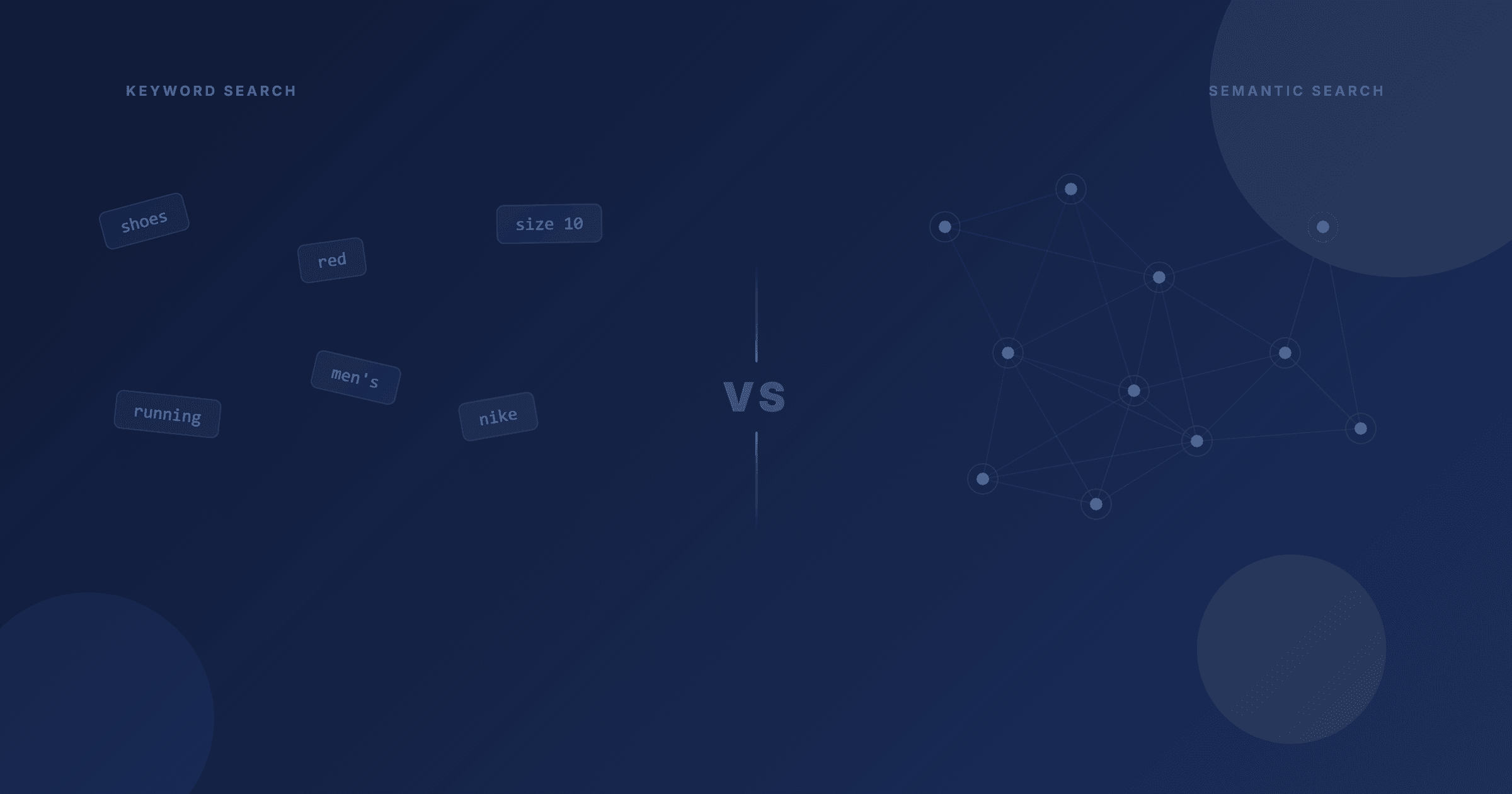
Semantic Search vs Keyword Search: What's Actually on Your Store?
A plain-English guide to the difference between keyword and semantic search, with diagnostic queries you can run right now to find out which your store uses.

What Is Product Discovery? (And Why It's Different From Search)
Product discovery goes beyond the search box — it's how shoppers find products through browsing, recommendations, and AI. Here's why it matters for your store.